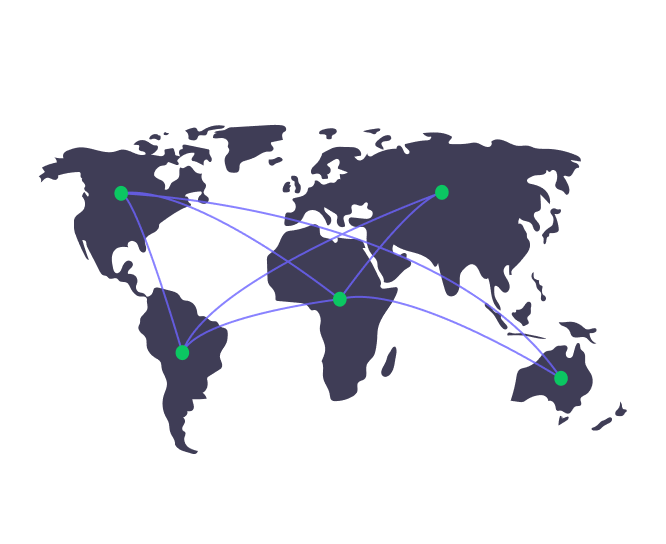

Translated Plagiarism Detection
Detect content translated across languages that could bypass standard checks and still get flagged later.
 Cross Language Translated Plagiarism
Detect hidden plagiarism before it becomes a problem.
Plag.ai analyzes meaning—not just words—across 56 languages, so risks are identified before submission, grading, or review.
Built for accurate, cross-language academic review
Traditional tools fail when content is translated or rewritten. Plag.ai is built to detect hidden plagiarism risks across languages, structure, and meaning.
Detect content translated across languages that could bypass standard checks and still get flagged later.

Cross-check submissions against a massive global database to prevent hidden matches from slipping through unnoticed.

Identify meaning-level duplication and AI-rewritten content that traditional tools fail to detect.
Most tools rely on exact matches. But translated or rewritten content breaks that logic—allowing plagiarism to pass undetected until it’s too late. And when it’s missed, the consequences fall on you.

Standard tools only check the same language. If content is translated, they miss it entirely—creating a false sense of security.
Missed detection doesn’t mean safe—it means delayed risk.

Plag identifies original sources even after translation, helping you catch what others overlook.
"Essential tool."
— Global Ethics Committee
99.8%
Detection Accuracy
The Solution
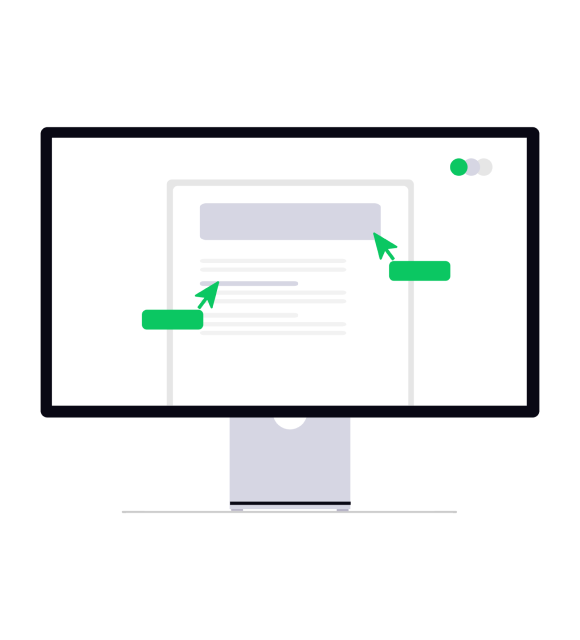
Plag uncovers translated and rewritten plagiarism by analyzing meaning across languages—not just matching words. So hidden risks are identified before they get flagged.
Don’t Miss What Could Compromise Your Review
Identify hidden plagiarism before it affects grading accuracy.
Standard tools can overlook translated plagiarism. Plag.ai gives you a clearer view of originality—so you can assess work accurately without second-guessing your decisions.

How It Works
A simple, reliable process to detect hidden plagiarism across languages—without slowing down your workflow.
Submit your file in any supported language—no formatting or setup needed.
We compare meaning, structure, and sources across 56 languages—not just exact matches.
See exactly what’s flagged, including translated and paraphrased matches.


© 2026 Plag